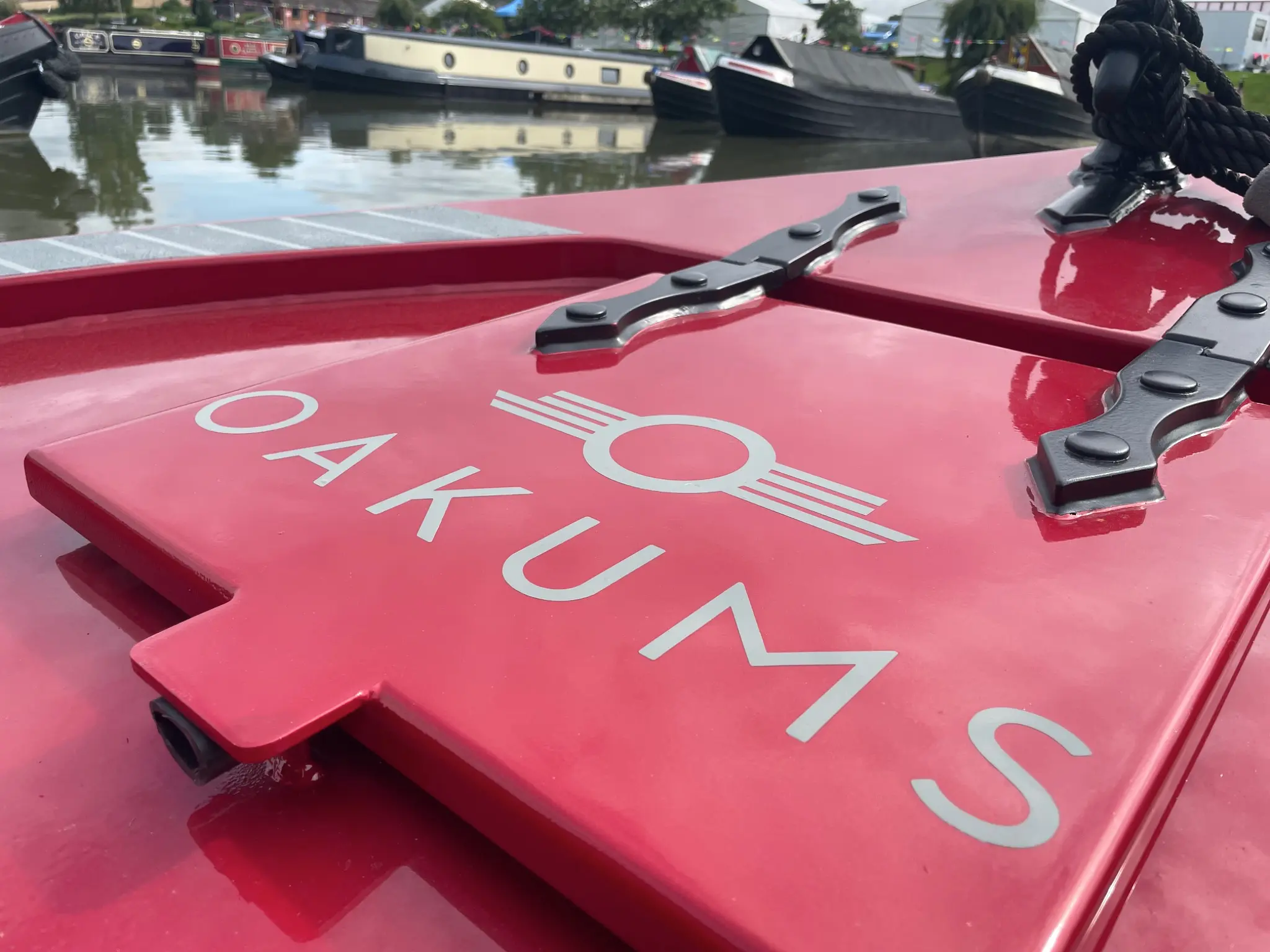
Comfort
A place to settle
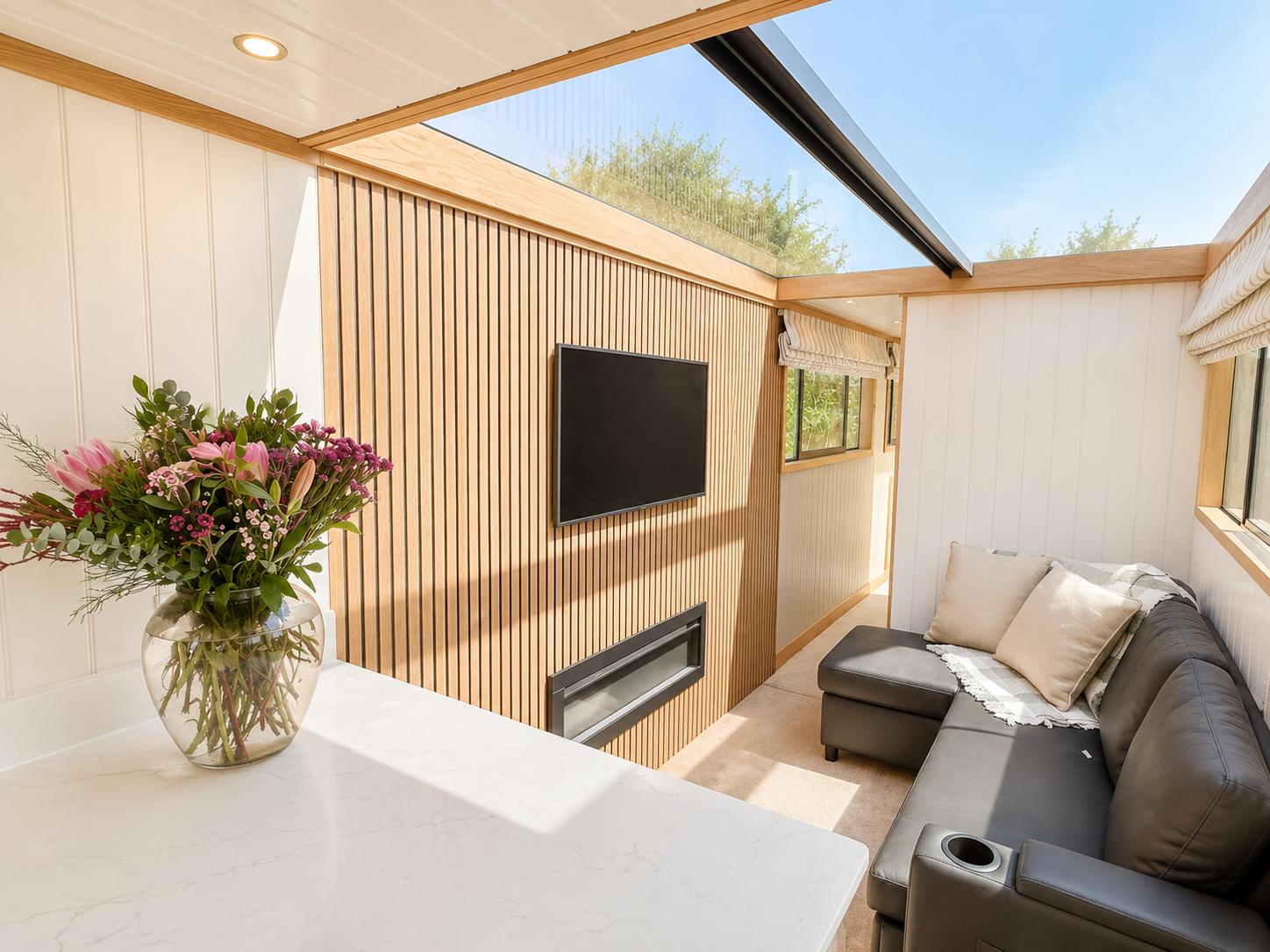
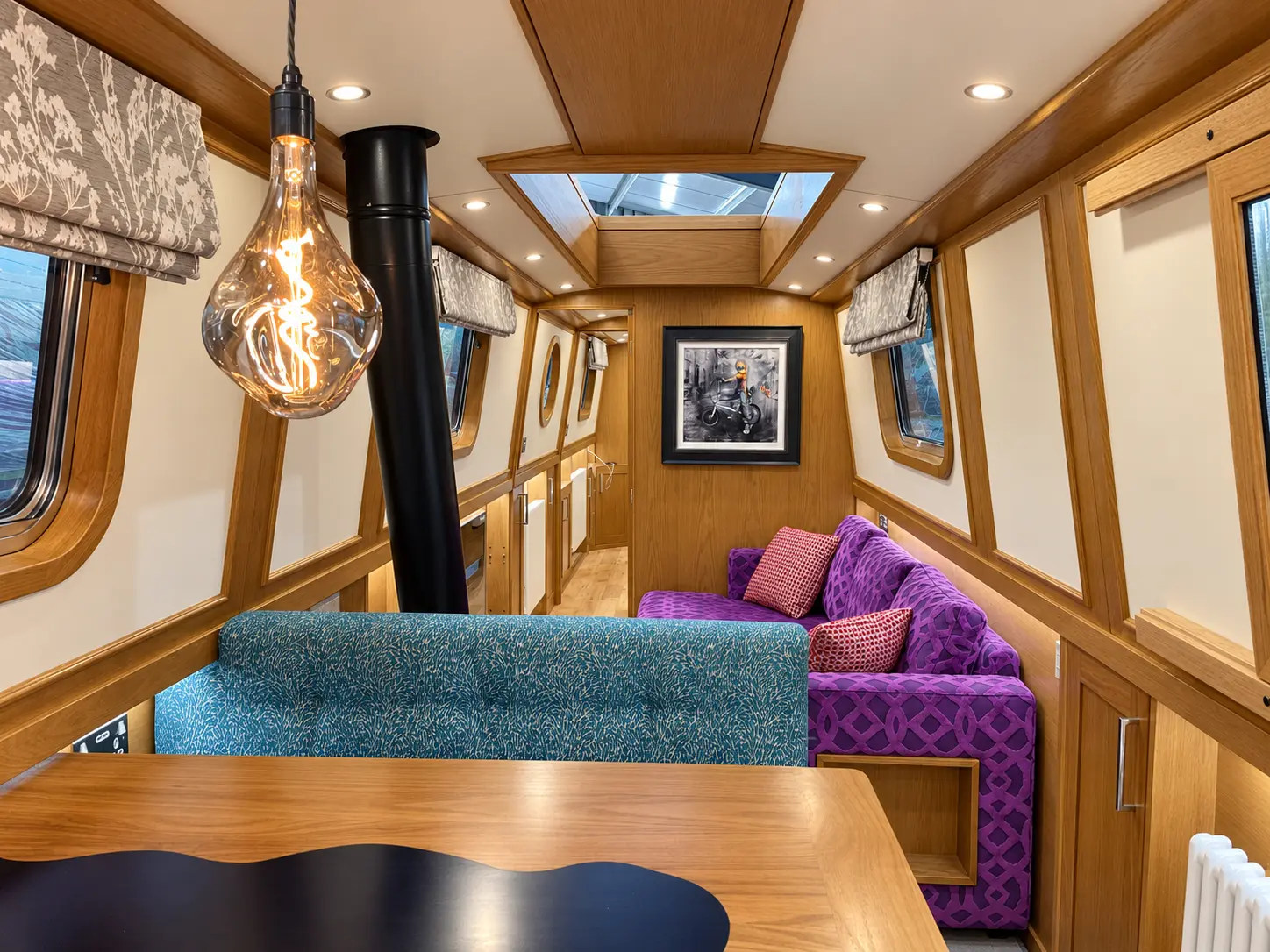
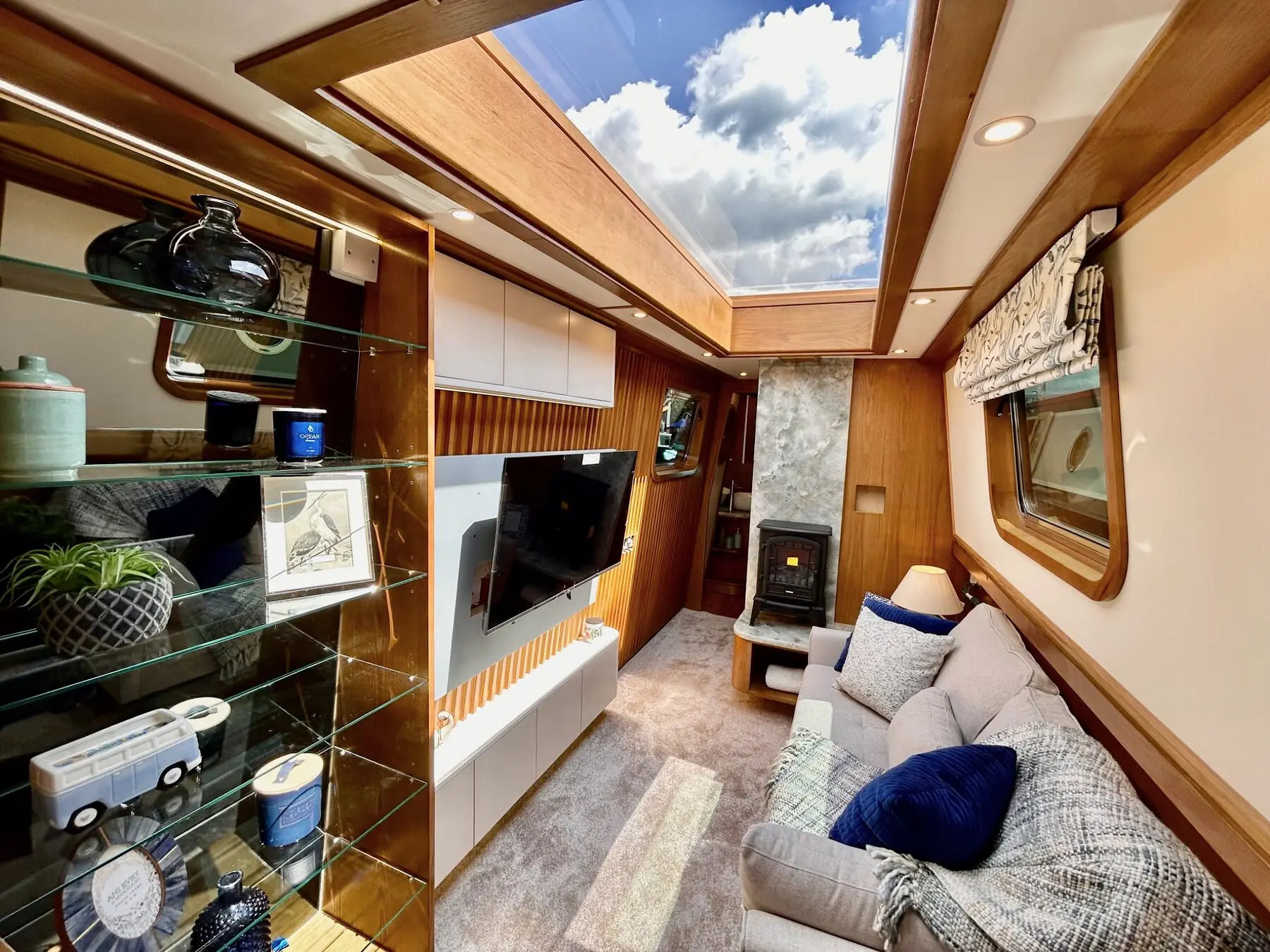
Seating, views and layered lighting create a saloon that remains comfortable through long evenings and changing seasons.

Liveaboard narrowboats
A liveaboard narrowboat must work in winter, welcome guests, carry everyday possessions and still feel calm. Oakums approaches permanent life afloat as an interior, technical and practical design problem.
“A successful liveaboard makes ordinary routines feel considered.”
Weekends tolerate compromises that permanent living exposes. Storage, heating, electrical demand, laundry, work, privacy and wet-weather circulation all need to be resolved together.
Seating, views and layered lighting create a saloon that remains comfortable through long evenings and changing seasons.
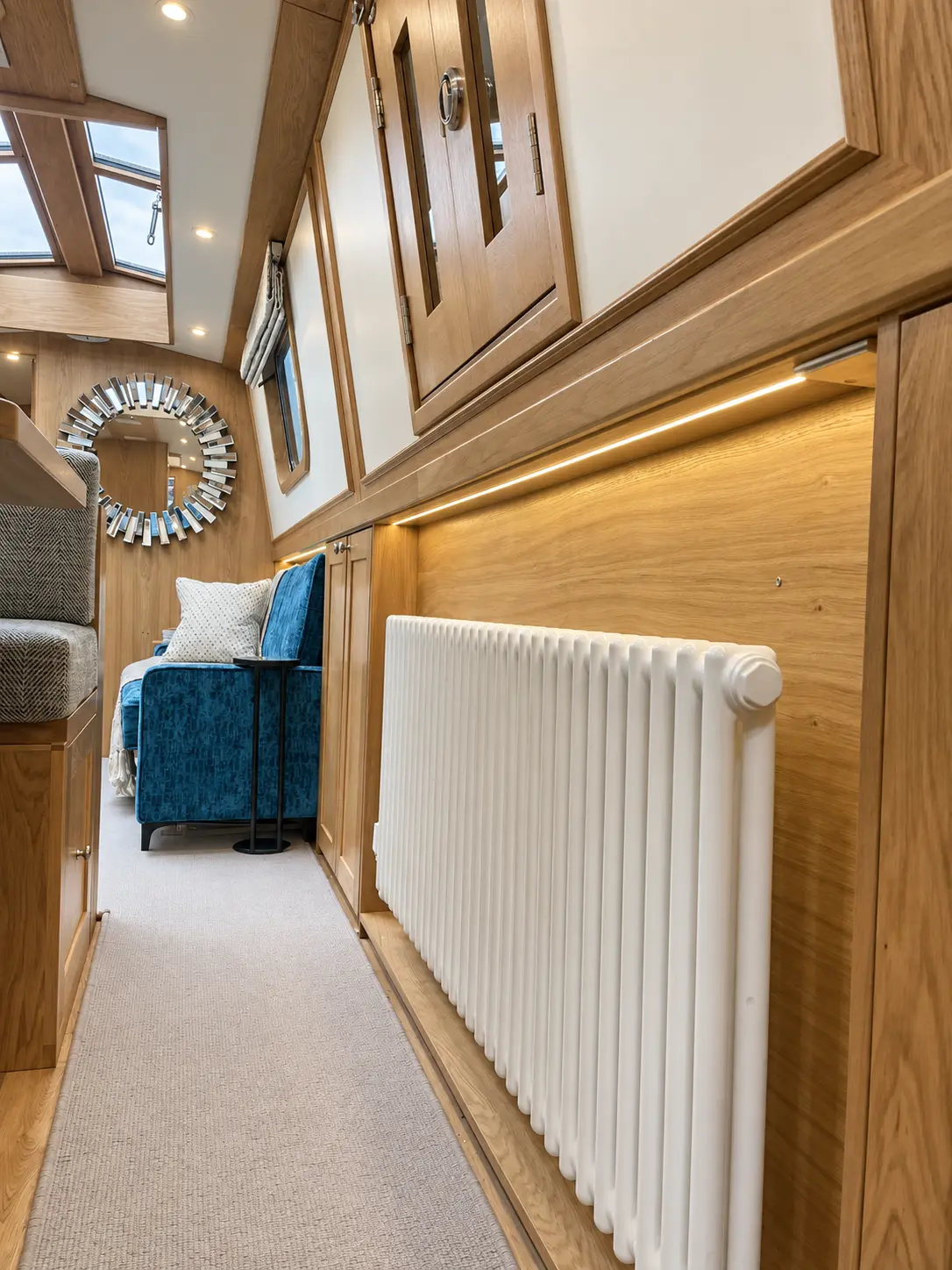
Useful storage belongs close to the activity it serves, with everyday items accessible and visual clutter controlled.
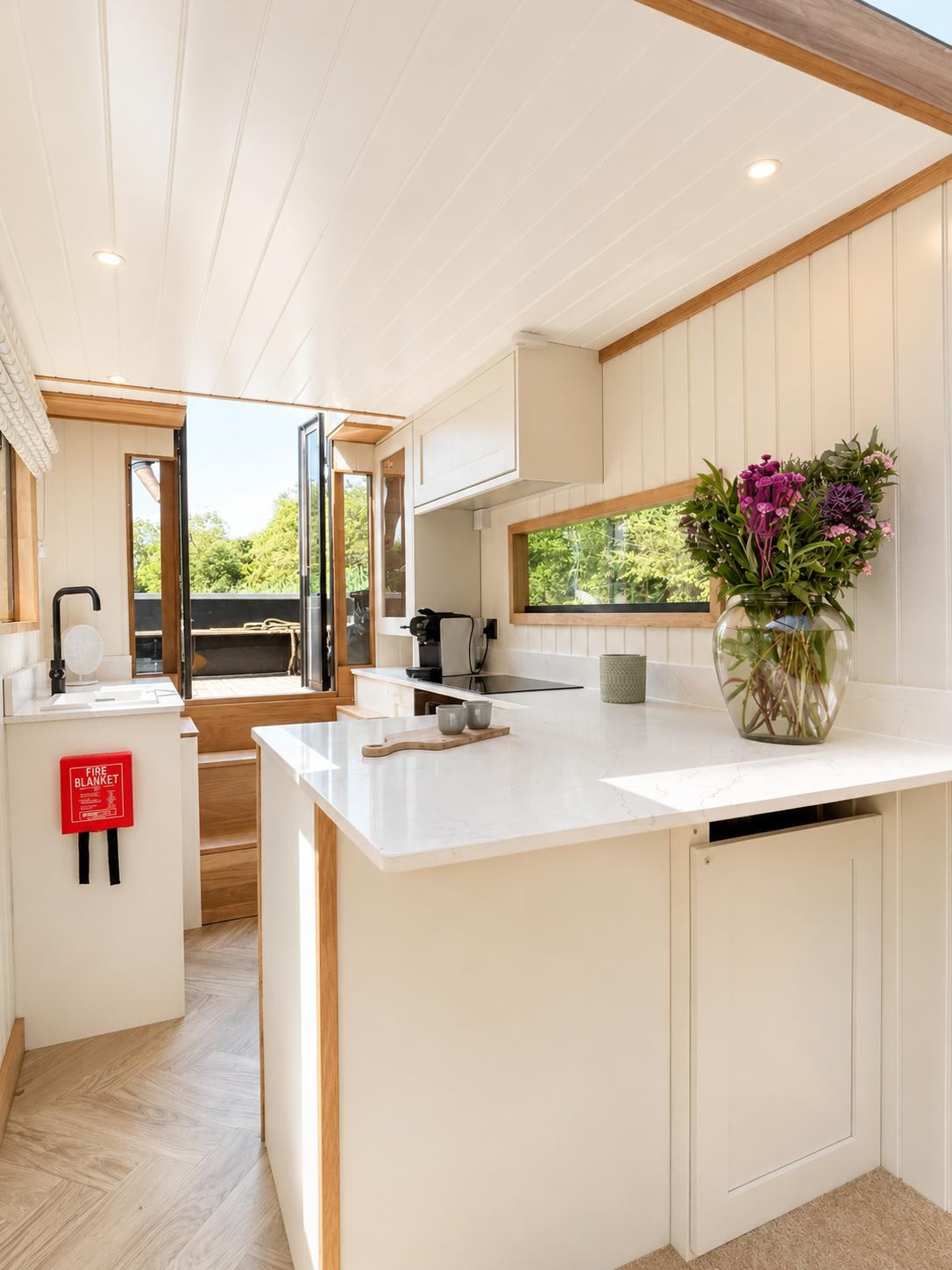
Cooking every day requires work surface, refrigeration, ventilation, sensible circulation and accessible provisions, not simply attractive cabinetry.
Insulation, heating, ventilation and window treatments must work as one seasonal strategy.
Cooking, refrigeration, work and entertainment loads shape the electrical specification.
A couple living aboard needs places to be together and moments when each person can retreat.
Frequently used systems and storage should remain understandable and accessible.
Design perspective
A well-resolved dinette can support breakfast, remote work, dinner with friends and occasional guest sleeping. The value lies in how easily it changes role without making the boat feel permanently arranged around its secondary purpose.
Completed boats show how different briefs, palettes and priorities become individual interiors.

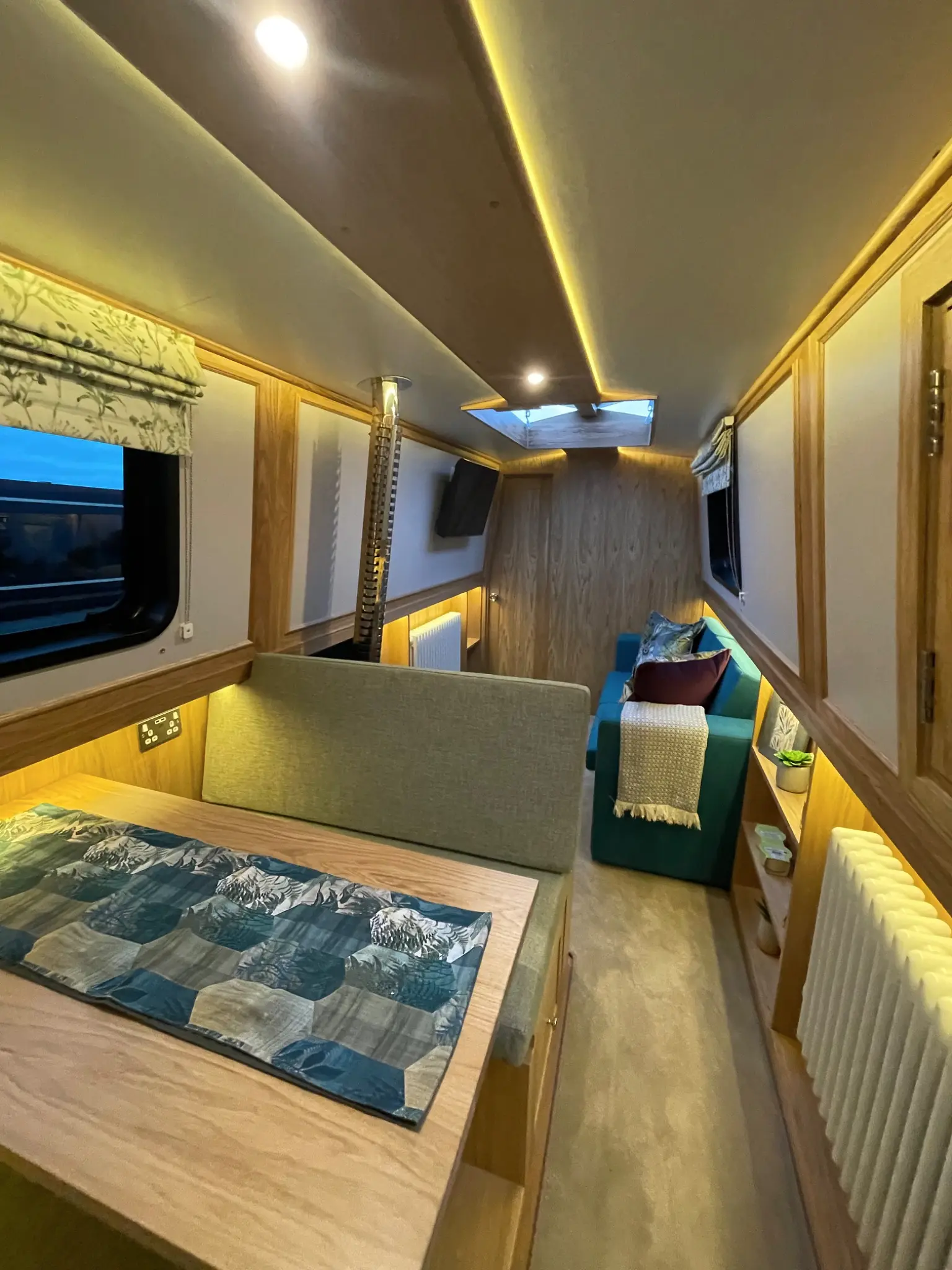
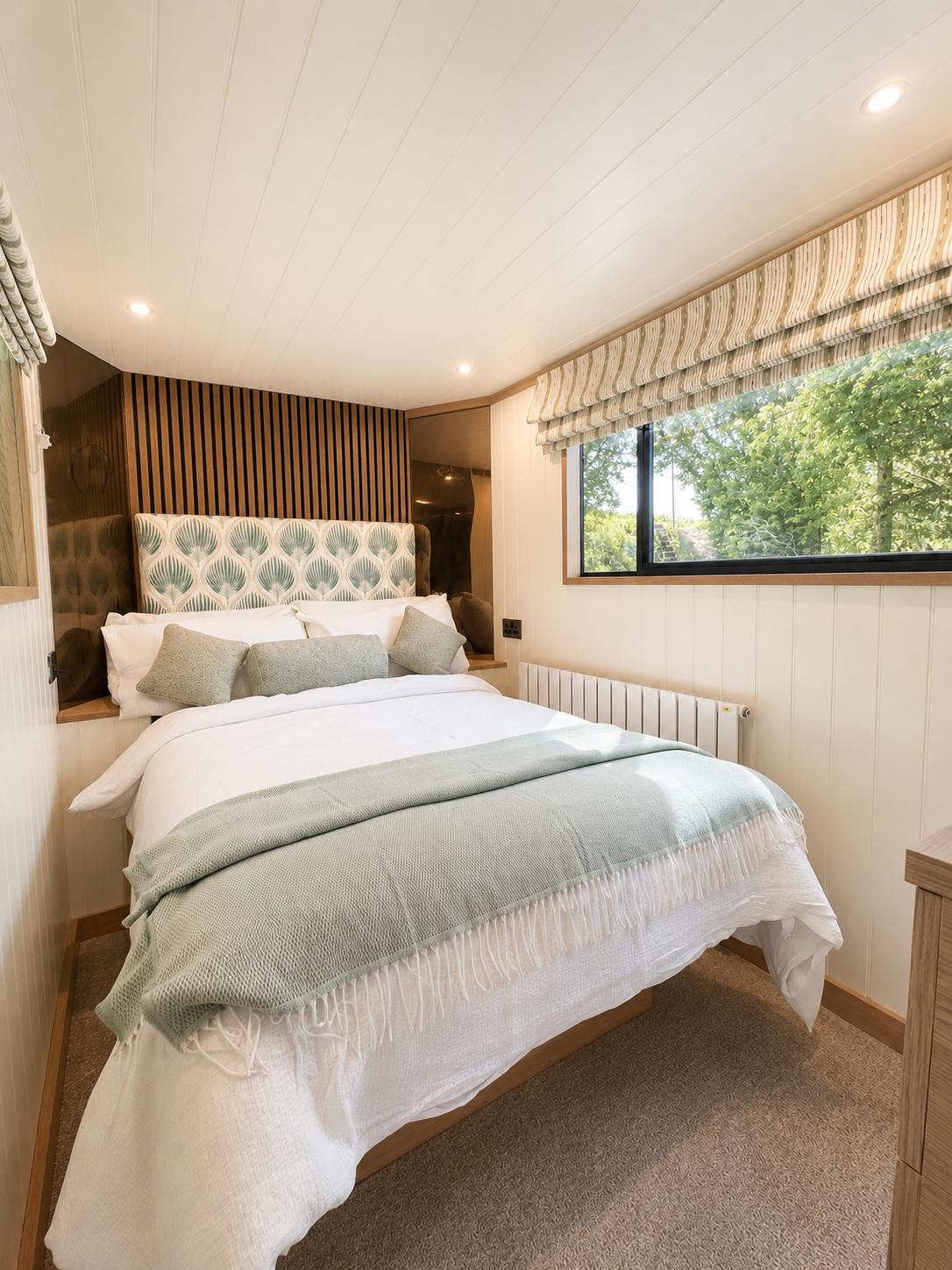
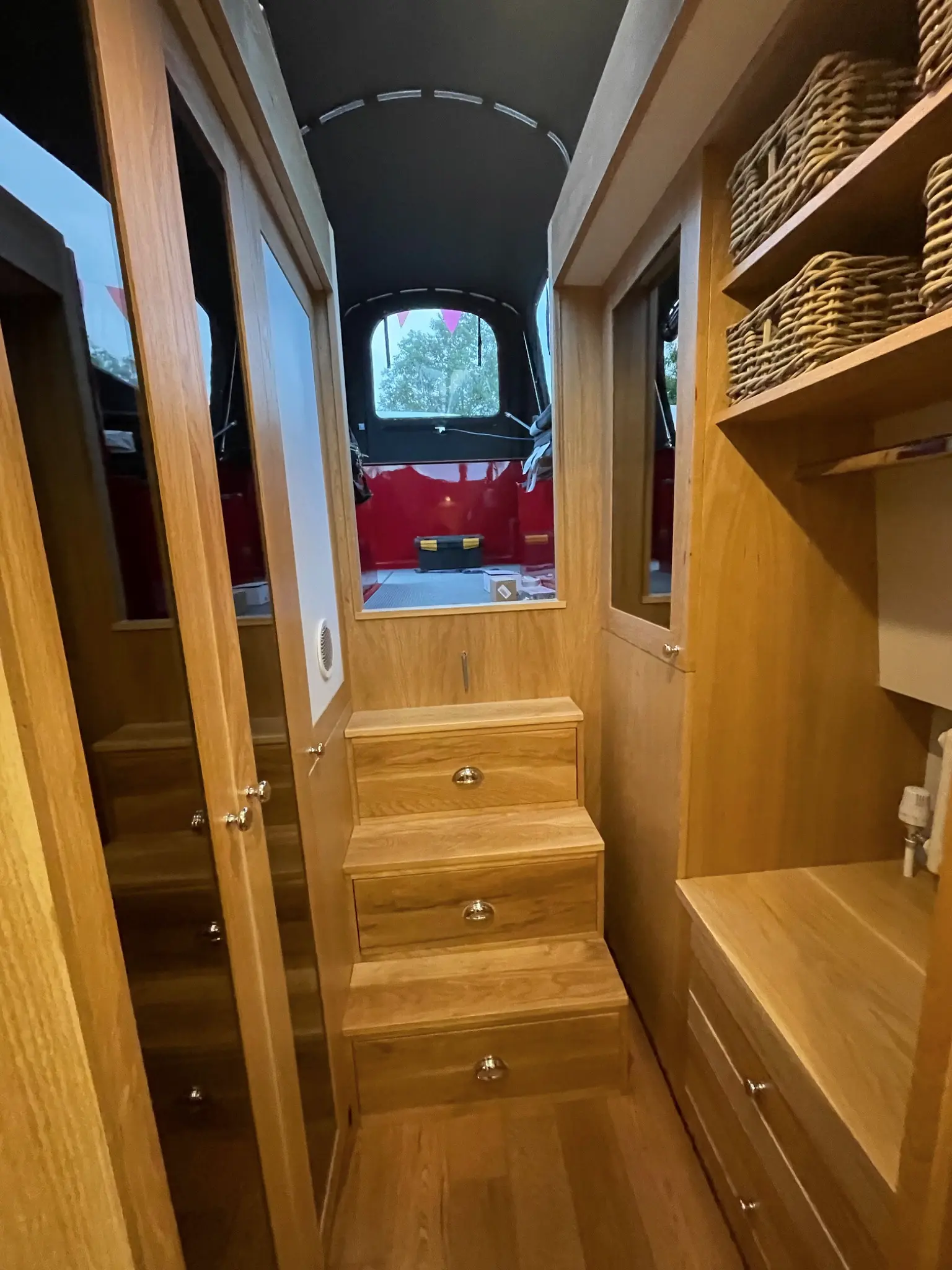
Start with routines rather than rooms. Where are wet coats left? Can one person cook while another passes? Is there somewhere to work without dismantling the dining area? Can bedding, laundry and seasonal equipment disappear without filling the saloon?
Heating and energy must also be designed for real behaviour. Electric cooking, appliances, laptops, pumps and entertainment create a domestic load separate from propulsion. Solar can contribute, but winter generation, shoreline access and any generator strategy must be discussed honestly.
The Closed Bow offers more protected internal volume for extended and four-season living. An Open Bow can still make a compelling liveaboard for owners who value the forward cockpit, while disciplined compact living may make the Bowless suitable for a very different brief.
Clear answers help customers compare the right things before they commission.
The Closed Bow provides the greatest protected interior volume, although the right choice depends on outdoor-space priorities, budget and the number of people aboard.
Yes, when desk position, seating, connectivity, charging, lighting and privacy are considered early in the layout.
It can be, but propulsion and domestic energy demands must be designed together around charging access and actual cruising habits.
Continue with related Oakums guides, completed boats and practical information for planning your own narrowboat.
Begin your Oakums